
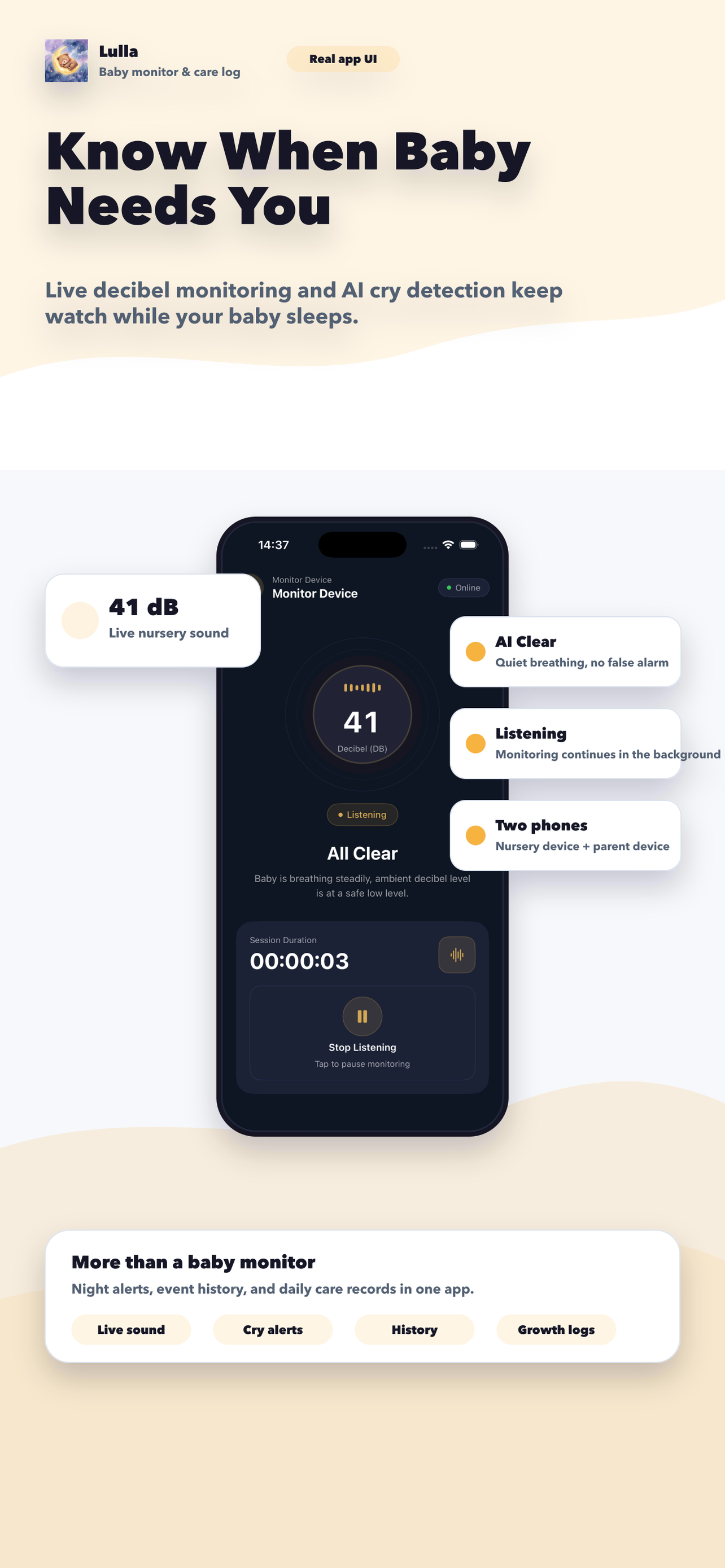
The best way to share baby care tasks without losing track is to split responsibility clearly and keep one shared record of what already happened. Parents usually run into trouble when one person thinks the baby just ate, the other person assumes the diaper was changed, or a rough stretch of crying gets remembered differently by each adult. A simple shared system fixes most of that. Decide who is covering which block of time, log feeds and diapers quickly, and make handoffs short and factual. When the same place also holds crying history and care notes, the next adult does not have to reconstruct the last two hours from memory.
Why handoffs get messy so fast
Newborn care is repetitive, but that does not make it easy to track. The hard part is that feeds, diapers, soothing, naps, and crying episodes all blur together when adults are tired.
That is why even good teamwork can still feel chaotic. The issue is usually not willingness. It is missing context. If each caregiver is working from memory, small gaps turn into repeated work or missed steps.
What to decide before the handoff
This kind of short factual handoff is easier to use than a long emotional recap. The goal is to help the next person act quickly, not retell the whole day.
Keep the handoff to these basics:
- When the last feed started and how it went
- Whether the diaper was wet, dirty, or both
- How the last nap or settling attempt ended
- Anything unusual, like extra crying or cluster feeding
- Who is responsible for the next block of care
FAQ
What is the biggest mistake when parents share baby care?
Usually it is relying on memory alone. Once adults are tired, even simple facts like the last feed or diaper change become easy to mix up.
Do we need to track every single detail?
No. Most families do better when they log only the details that change the next decision: feed timing, diaper status, crying patterns, and anything unusual.
Shared baby care feels calmer when handoffs are short, roles are clear, and everyone can see the same recent history.
Lulla fits best when parents want to hear important cries sooner and keep the rest of baby care organized in the same place. This article is for education only and is not a substitute for medical advice.